
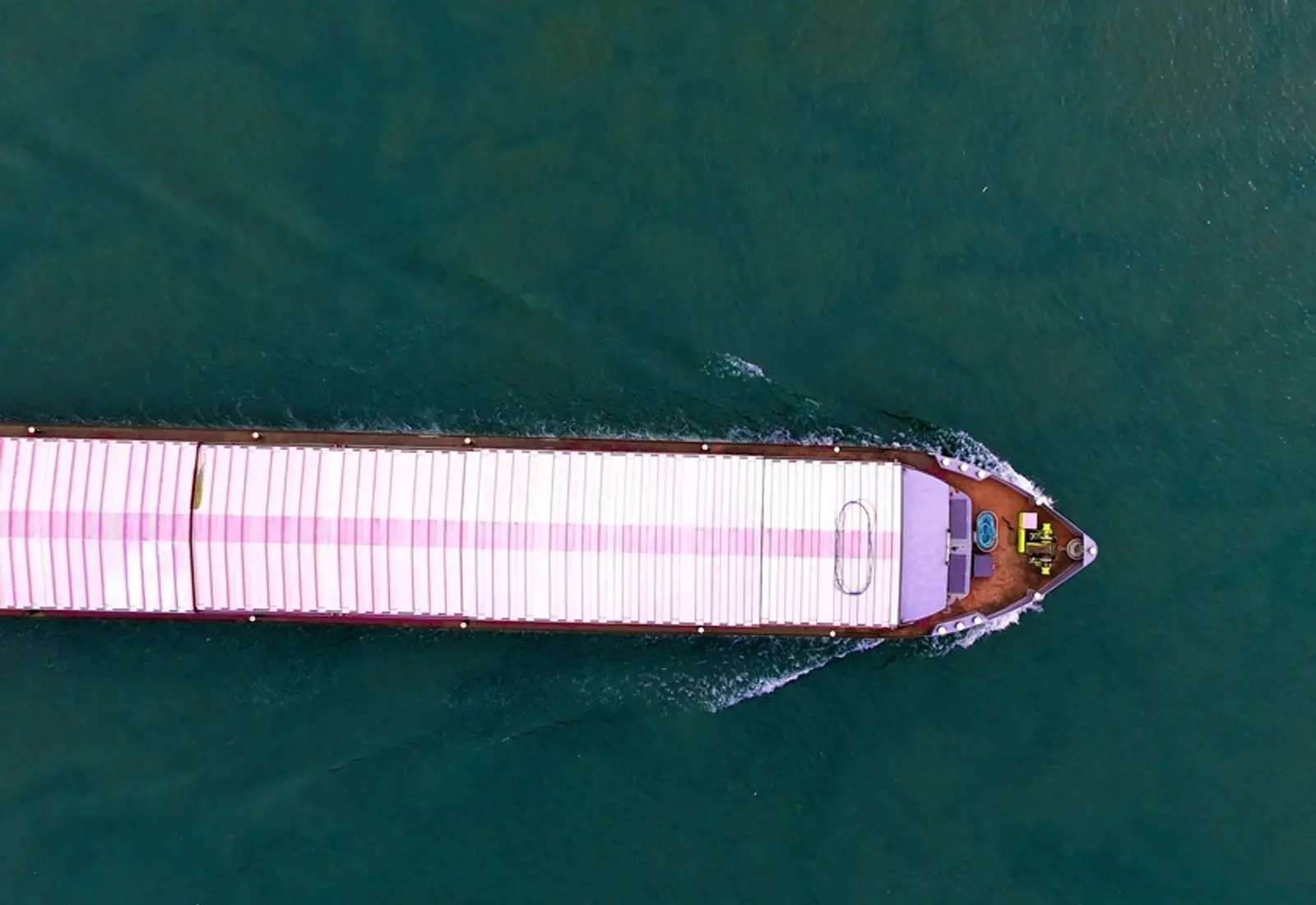
The question we hear most often in operations has a simpler answer than it seems: there is no better mode, only a mode that fits each shipment. What decides it is real urgency, volume, and destination.
Start with urgency, not habit
The useful question isn't “Which one is faster?” but “When do I need it?” A birthday gift and a business's monthly restock in the same city have opposite answers, even if both fit in a suitcase.
- If the recipient has a clear deadline, air freight is the mode that arrives first.
- If there is no deadline, sea freight spreads the cost of the slot better because the group shares the trip.
- If the shipment is small and urgent, express service prioritizes departure without changing channels.
Volume changes the conversation
A twenty-kilo package isn't quoted the same as two hundred kilos of product for resale. In the second case, what matters is the cost per kilo, the invoice documentation, and how often deliveries run.
Destination is the third variable
Verified coverage spans fifteen provinces and 73 localities with the most traffic. Before closing any shipment, our delivery network on the island confirms that it can receive and deliver it to that specific address. That detail is shared in writing before confirmation.
If you tell us the destination, the approximate weight, and the date you need it, we reply with the mode that fits best, along with its cost and timeline in writing.